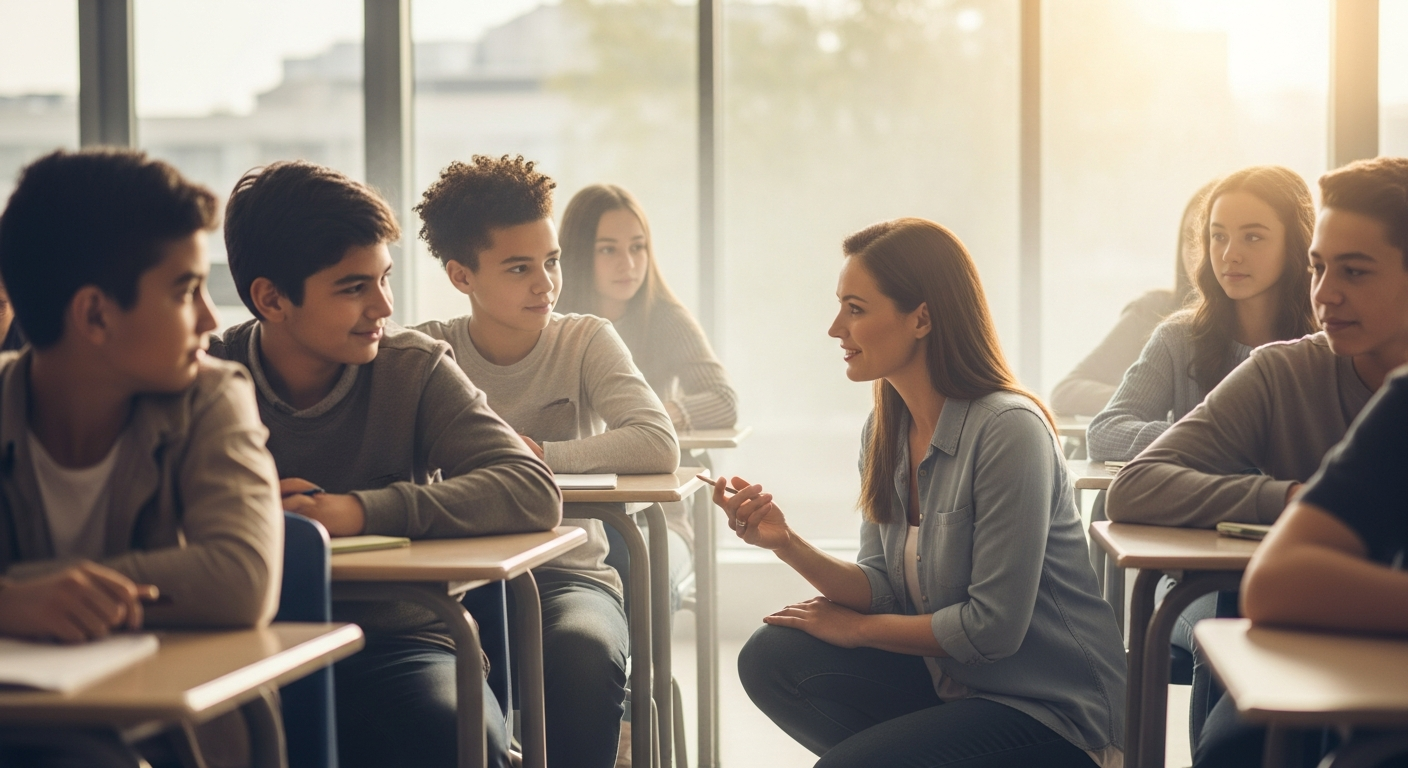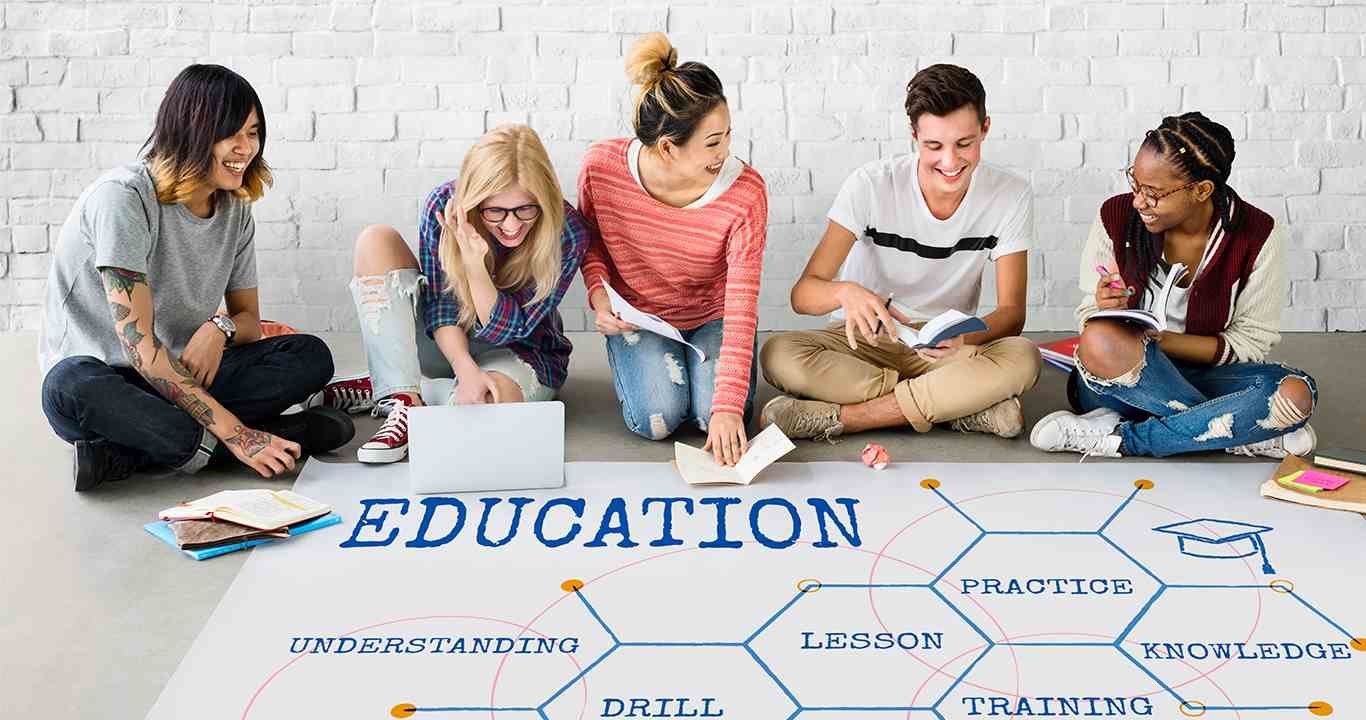
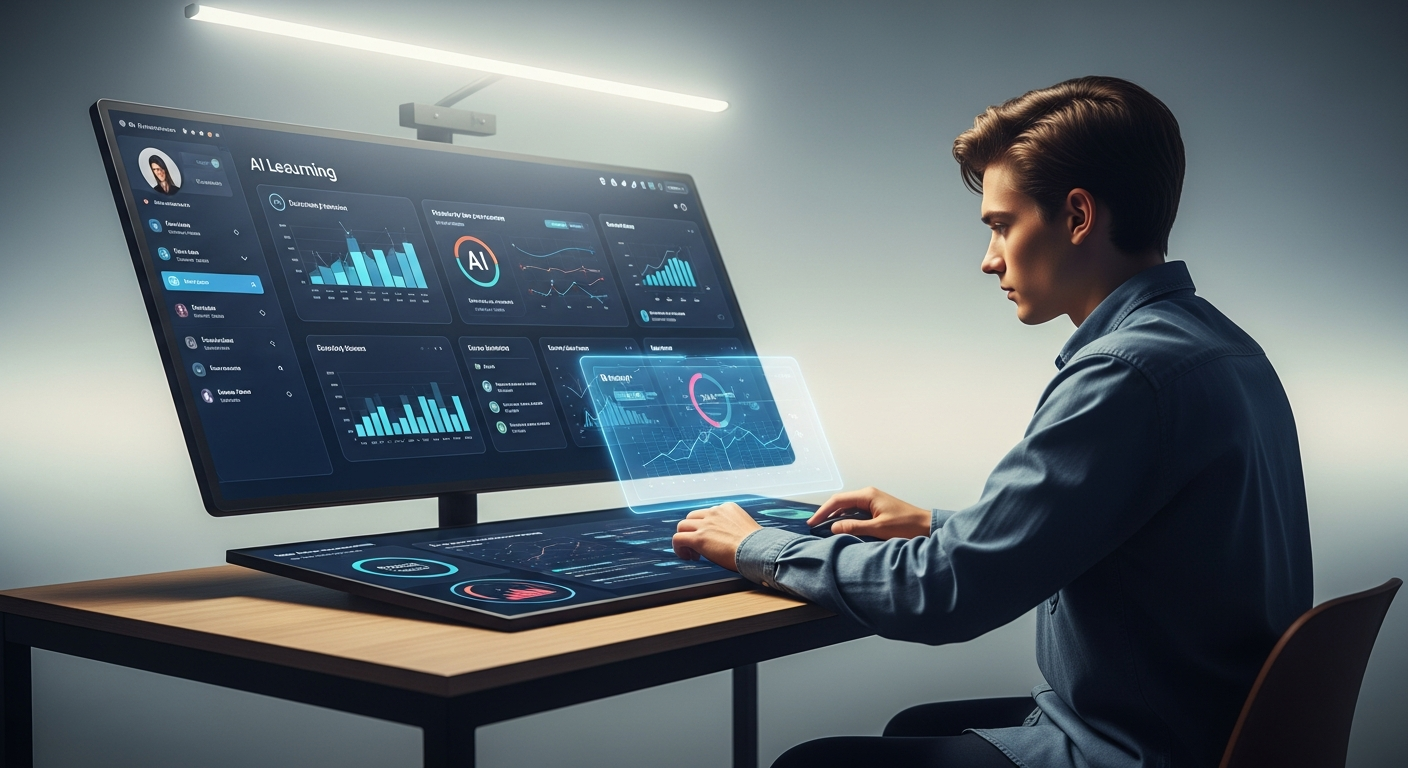
Memorization is an education system that over decades has depended upon memorization- students take in information, regurgitate it in exams and forget it soon after. Although this approach was effective during a different period in time, the modern world with rapid changes requires more. Students need to think critically, be flexible and be able to implement knowledge in life. This transformation has given rise to the emergence of smart, personalized and skills-based learning with Artificial Intelligence (AI) that is transforming the way education is taught and received.
The drawbacks of learning by memorization.
Lack of Personalization
Conventional educational systems are based on one size fits all system, with all the students being expected to be learning the same content at the same pace. This overlooks the individual differences in learning thereby making some students lag behind and other students bored because of unchallenging learning.
Low Knowledge Retention
Short term learning is usually because of memorizing. The students can recall information in order to pass exams but in the long run they are unable to remember. Knowledge soon becomes inapplicable in practice, and loses the value of real-life applications.
Limited Skill Development
Rote learning is the memorization of facts and not comprehension of concepts. This makes students fail to build the necessary skills, which are very crucial in the contemporary world like critical thinking, creativity and problem solving.
Reduced Engagement
Repetitiveness and lack of inter-activity in the learning process will make students bored and disinterest. This disinterest may adversely affect the performance and learning outcomes in general.
Missing Practical Application.
Students are not prepared to face real life by memorizing. Devoid of experience or realistic setting, the learners cannot be able to put theoretical knowledge into practice in real-life.
The emergence of AI in Education.
Real-Time Performance Tracking
Artificial intelligence helps keep track of the progress of students, and weaknesses and strengths are recognized immediately. This will enable timely interventions and the students will be able to get the support they require when they need it.
Adaptive Learning Paths
The level of difficulty and the type of content is changed according to the performance of the individual AI. This helps to keep the learners neither over-challenged nor under-challenged providing them with an effective and balanced learning experience.
Intelligent Tutoring Systems
The AI-powered tutors are able to give immediate instructions, reply to questions and simplify complex ideas. This enables easier learning and decreases the reliance on the conventional classroom restrictions.
Predictive Analytics
Utilizing student behavior patterns, AI will be able to anticipate a possible learning gap or even failure. These insights can help educators to take proactive steps to enhance success.
Automated Assessments
AI also makes the process of grading assignments simpler since it auto-grades, and presents in-depth feedback. This does not only save time, but also provides uniform evaluation which is free of bias.
Personalized Learning: A Game changer.
Learning about the Individual Learning Styles.
AI determines the best method of learning that each student prefers; either through visuals, text or interaction. It then personalizes the content delivery to suit those preferences, and makes learning easier and more enjoyable.
On-going Feedback and Improvement.
In contrast to conventional tools, AI offers immediate feedback, which means that learners can get to know about the mistakes right away. Such a process of continuous improvement will help to improve the level of understanding and increase confidence.
Increased Student Engagement
Individualized material holds the interest and motivation of the learners. Students will be more engaged and will deliver better performance when they can feel that the content is pertinent to them.
Intelligent Learning Systems
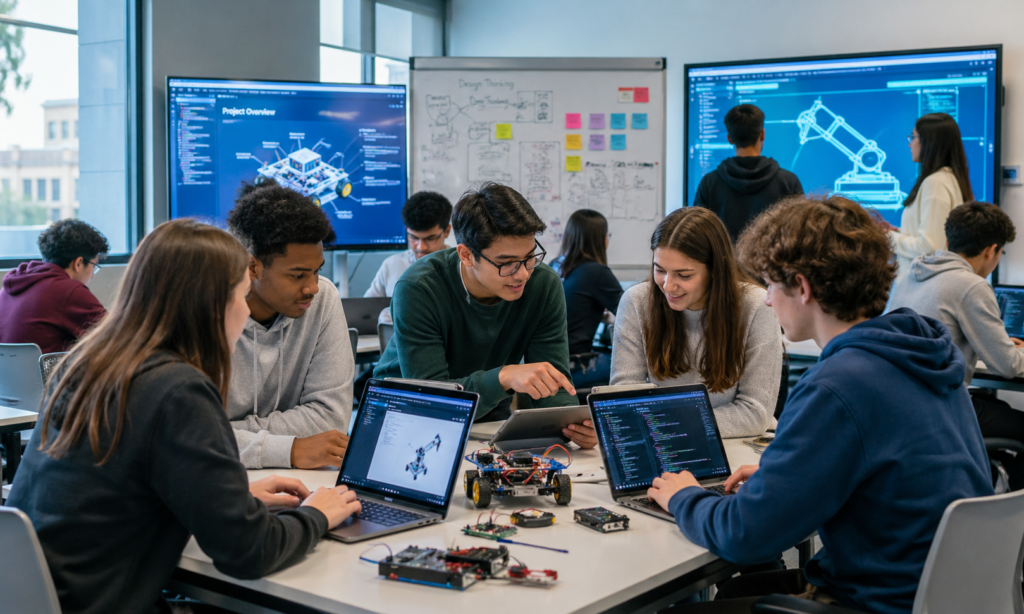
The key to AI-based learning is intelligent learning systems, which can be seen as virtual mentors that are able to direct students during their learning process. The systems adopt sophisticated algorithms to learn the unique learning patterns, strengths and weaknesses of the individual to provide highly personalised content and support. Learners are provided with tailor-made learning plans, interactive lessons and real-time feedback which evolves as they advance instead of a set curriculum. The use of such features as virtual assistants, automatic assessment and smart recommendations makes the process of learning more interesting and effective, guaranteeing a deeper comprehension and practical use of knowledge.
The role of Data in AI Learning.
Data is essential in ensuring AI-driven education is successful. Each interaction, such as answering a question, or doing something, produces insights. Such insights are useful in narrowing down the paths of learning, detecting areas of weaknesses and enhancing methods of teaching. Nevertheless, the privacy of data and its ethical use should be guaranteed in order to preserve the trust and security.
Challenges and Considerations
Although AI-es is a highly beneficial solution to the education sector, there are crucial issues that need to be tackled. Digital divide is still a significant issue, with not every student equally accessing technology and a good internet connection. The excessive use of AI can decrease human contact, which is critical in terms of emotional and social growth. Also, the privacy of data needs robust security and the ethical treatment of data regarding students. It is also important to implement AI properly, train teachers to make sure that AI does not establish new obstacles in the field of education.
Conclusion
The shift in memorization to intelligent, personalized and skillful learning is a great change in education. AI is not only improving the way students learn- it is changing the subjects that students learn and the reasons why they learn. AI-driven education equips learners with the skills necessary to face the challenges of the modern world, by prioritizing the needs of individuals and practical skills. Nonetheless, this change should be all inclusive, moral, and humanized. The future of education is to make an intelligent and more meaningful learning experience by integrating the power of AI and the intelligence of educators.
FAQs
1. What is personalized learning in AI?
Personalized learning involves AI that is used to customize information or learning content according to the learning style, learning pace and performance of the student.
2. What is the skill-based learning that is enhanced by AI?
The interactive simulations, real-time feedback, and practical exercises offered by AI are vital in assisting the students in gaining the skills that are applicable in the real world.
3. Will AI be used to replace teachers?
No, AI helps teachers to automate their work and give insights and concentrate on mentoring and guidance.
4. What is the advantage of getting out of memorization?
It aids in critical thinking, development of problem solving skills and equips students with real world problems.
5. What are the AIs obstacles to education?
The major ones are data privacy issues, disparities in access to technology, and the necessity to have adequate implementation strategies.