

Long life is not only about genetics but also about the way you live day-in and day-out. The concept of longevity lifestyle is concerned with extending life span and healthspan, or how many years are you healthy, active, independent. Modern people can determine their aging process and their life throughout the years with the right habits.
What is a Longevity Lifestyle?
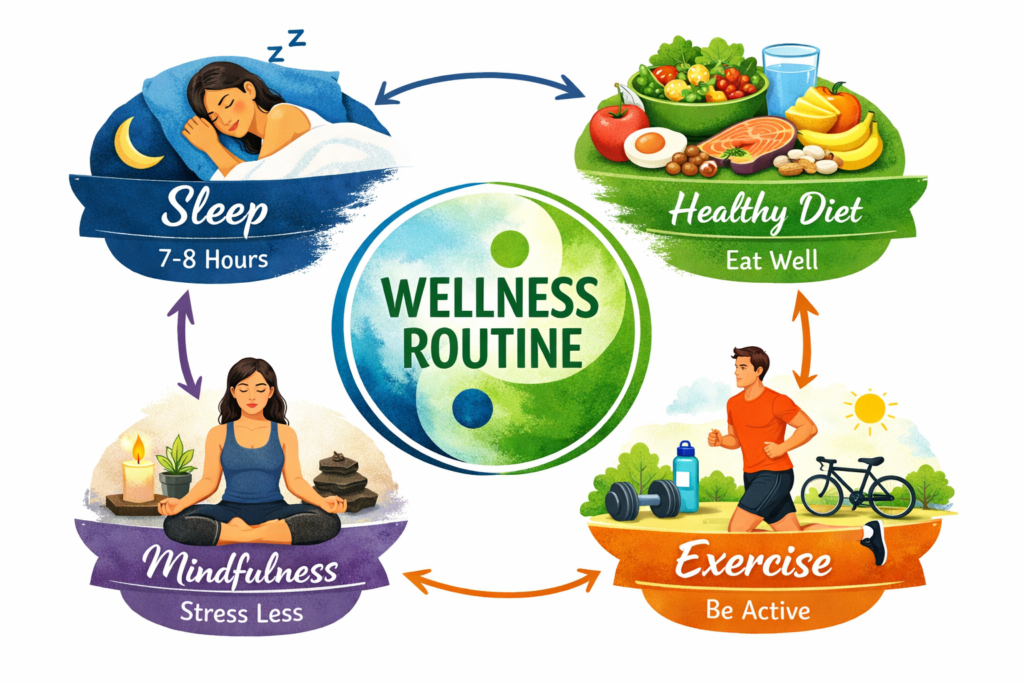
Longevity lifestyle is a healthy and sustainable lifestyle that is able to sustain health in the long term. It involves healthy eating, exercise, sound mental health, sleep and preventive care. Rather than resorting to fast fixes, it focuses on regularity and intelligent everyday decisions.
It is not a method of extreme dieting or hard workouts. It is about living so that you can get your bodies and minds to work optimally as long as you can.
The Importance of Longevity Like Never Before.
In the modern world where time is guiding, most people are now living longer and not necessarily healthy. Such lifestyle related diseases as heart disease, diabetes and stress related disorders are on the increase.
The emphasis on longevity will minimize these risks and enhance energy, productivity and emotional balance. It changes the perception of just surviving to actually living well in life.
Key Pillars of a Longevity Lifestyle.
Nutrition for Longevity
Food is an important factor in your body aging. Longevity-oriented diet revolves around whole and natural foods that nurture the body and lower inflammation. Healthy fats, vegetables, fruits, and balanced protein consumption can keep the energy level up and assist in the health of the cells.
Long-term wellness can be greatly enhanced by eating conscientiously and avoiding over-consumption of processed food. Even basic practices such as eating at the right time and hydration can lead to improved health outcomes.
Movement & Physical Activity
Frequent exercise makes the body strong and supple. There is no necessity of severe exercising; even everyday moderate exercises may help a great deal. Light strength exercises, walking, or stretching can help to keep muscles intact and aid the heart.
An active lifestyle enhances circulation, elevates mood, and decreases the chances of chronic diseases. It is important to be consistent and not to pursue perfection.
Mental Health & Brain Longevity.
Physical health is closely linked with mental well-being. Negative thinking patterns and stress in the long term may speed up aging and decrease the immune system.
Emotional stability can be enhanced by practicing mindfulness, maintaining social contact, and doing meaningful activities. Acquiring new skills and exercising the brain is also a method of preserving cognitive ability as you get older.
Quality Sleep & Recovery
Sleep plays a crucial role in healing the body and in balancing the body. Rest period allows the body to recuperate, the hormones to balance and the brain to eliminate toxins.
Sleep quality can be enhanced by maintaining a regular routine of sleep and establishing a relaxing environment. Long-term effects of maintaining good sleep habits include better focus, immunity, and decreased health risks.
Preventive Healthcare & Regular Checkups
A proactive approach towards health can go a long way. Checkups also assist in identifying possible problems at the initial stage to perform an intervention.
Being able to track simple health indicators and be conscious of your bodily cues can help in averting severe illnesses. Preventive care helps to live longer and healthier, as it helps to solve problems before they get serious.
Good Habits to Live Longer.
Daily Lifestyle Improvements
Long-term health can be formed by little, daily habits. Hydration, outdoor activities, and a structured routine are some of the factors that contribute to balance in daily life. It is also important to avoid bad habits such as smoking and to deal with stress.
These easy-going changes result in easily observable changes in physical and mental health over time.
Social Connections & Purpose
Longevity is a strong influence of human association. Individuals that have good relationships and purpose are likely to live long and healthy lives.
Socialization with the family, friends or community activities provide emotional support and alleviate isolation. Clarity of goals or passions also makes life meaningful and maintains the level of motivation.
The Future of Longevity Living.
Longevity is increasingly becoming customized and technologically inclined. Smartwatches, health apps, and information-driven insights are assisting people to learn more about their bodies.
As healthcare and wellness continue to evolve, individuals have become able to make smarter choices with real-time information available. This is causing the need to keep a healthy lifestyle to suit individual needs to become easy.
Difficulties with Making a Longevity Lifestyle.
Although there are several advantages of a longevity lifestyle, it may not be an easy one to embrace. Consistency can be challenging because of hectic schedules, stress, and bad habits.
The best idea is to begin with little, easy to navigate changes. It is more sustainable to develop better habits gradually rather than radically change your lifestyle.
Conclusion.
Longevity lifestyle is an approach of making wise decisions that enhance your life and its duration. Emphasizing healthy eating, physical activity, psychological health, and preventive health care, you are able to build a healthier future.
Perfection is not needed in the journey, only consistency and consciousness. Whatever you practice in your day-to-day life ends up being what you live in the long run.
FAQs.
1. What is the difference between lifespan and healthspan?
Lifespan is the number of years that you live and healthspan is the number of years that you live in good health.
2. Is it possible that lifestyle changes can really increase longevity?
Yes, healthy practices such as nutritious eating, physical activity and stress reduction can greatly enhance overall health and life expectancy.
3. Which kind of diet is longevity-promoting?
Long-term health and energy are supported with the help of a well-balanced diet based on natural, whole foods and minimal processed foods.
4. How is sleep significant to longevity?
Sleep is important to recover, brain activity, and health in general, which is why it is a key to a longer life.
5. Is mental health lifespan affecting?
Yes, psychological wellbeing has a direct effect on physical wellbeing, and stress management can be used to positively influence life span.